The History of Questions
This one's for the curious. Human beings have been asking each other things on purpose, not just to fill silence but to actually find something out, for thousands of years. Here are seven moments that changed how that habit works.
Ask yoursWhy Humans Have Always Asked Questions on Purpose
Every era in the timeline below solved the same problem with the same tool. A philosopher needed a way to test what people actually believed. A storyteller needed a way to keep a family's history accurate across generations. A reporter needed a way to get an honest answer instead of a prepared statement. None of them reached for a lecture. They reached for a question, because a good question forces a specific, current, honest answer in a way a statement never can.
That is the throughline of the history of questions. Asking on purpose is not a soft skill or a conversational nicety. It is a documented method for getting closer to the truth about another person, and it shows up again and again across ancient philosophy, oral history traditions, psychology research, and the family research nosy is built on. The tool has stayed the same for twenty-five hundred years. Only the setting changes.
5th Century BCE · Athens
Socrates and the Invention of Asking on Purpose
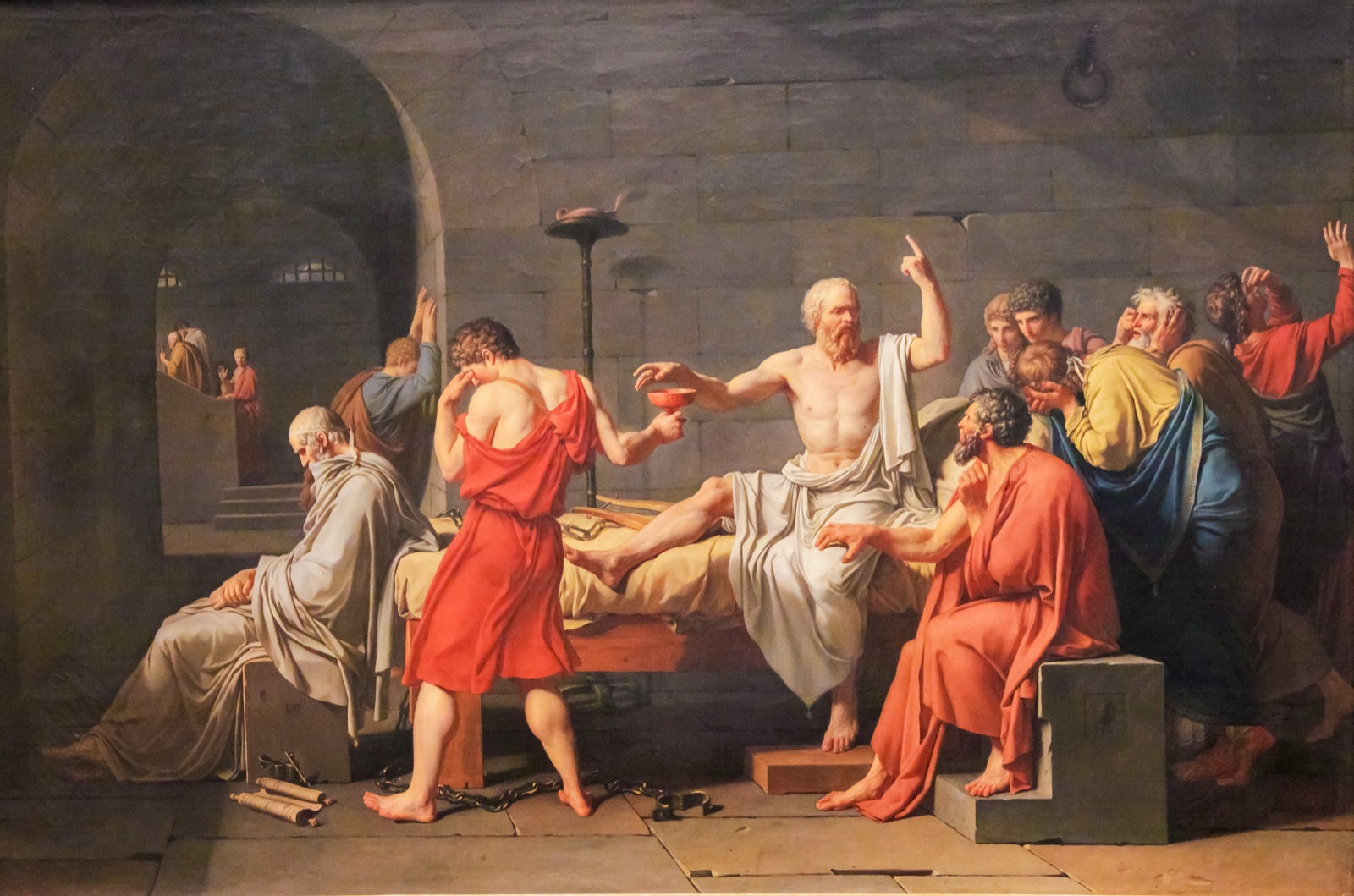
Socrates rarely told anyone what he thought. He asked, then asked again, until the person across from him ran out of certainty. Plato wrote it down, and what became known as the Socratic method has carried his name for twenty-five hundred years.
1235 · The Mali Empire, West Africa
How West African Griots Turned Questions Into a Profession
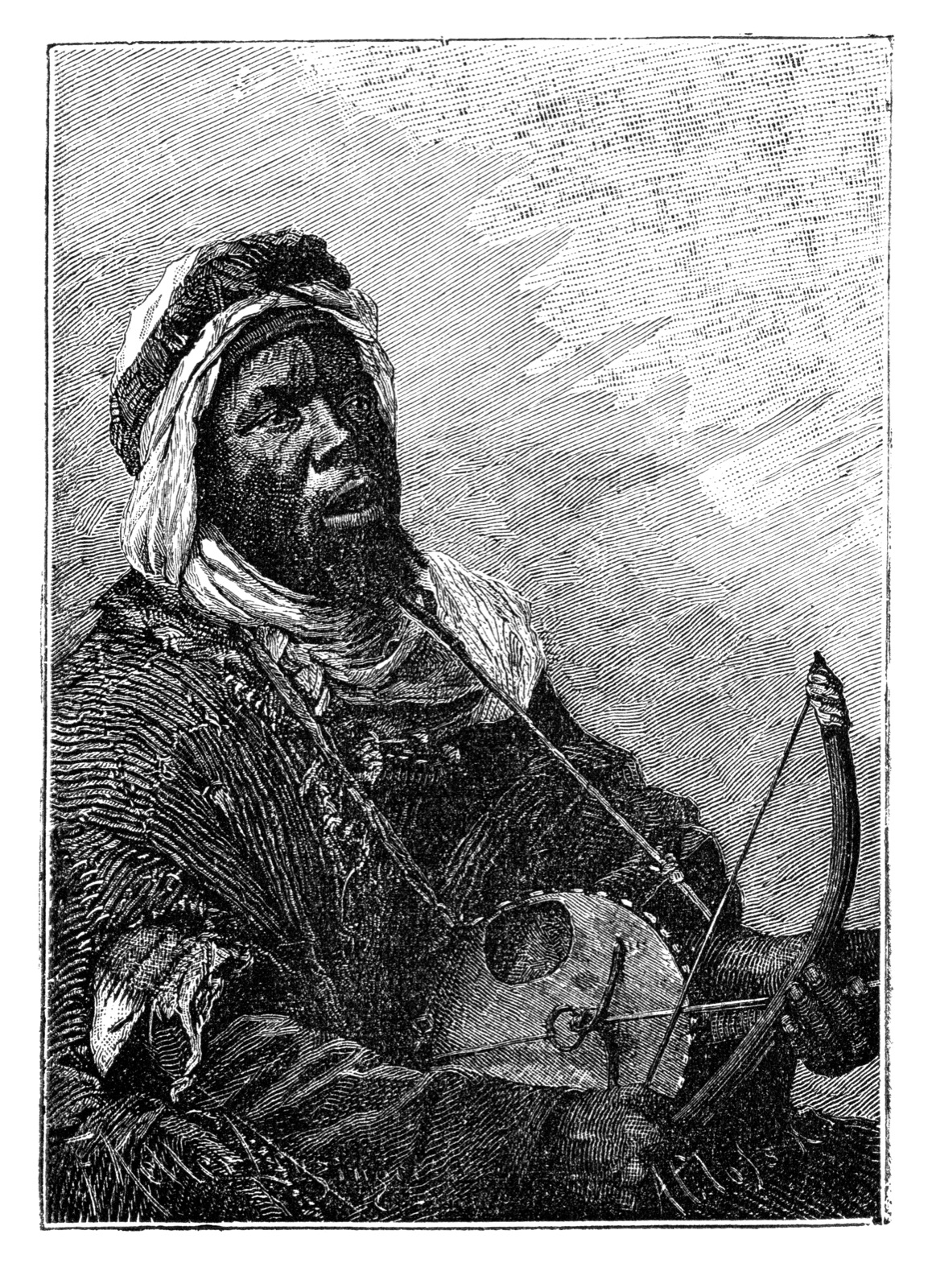
A griot's work was to hold a family's, a clan's, or a king's entire history and answer for it on demand. The role was inherited within West Africa's griot tradition, and children began training as young as six or seven, learning the specific questions someone might one day need answered.
1868 · United States
When Asking a Direct Question in Print Became Acceptable
For decades, reporters spoke with public officials constantly and never printed a word of what was said back. Quoting someone's direct answer to a direct question felt like an ambush, until a sitting president submitted to the newly invented newspaper interview in 1868, and the practice took like wildfire within a decade.


1946 · New York City
Twenty Questions and the Rise of Curiosity as Entertainment
Twenty Questions had already been a parlor game for a century by the time it reached network radio in February 1946. One family spent eight seasons on air guessing whatever strangers had mailed in, using nothing but the right sequence of questions.
1997 · Stony Brook University
The Study That Proved Questions Build Closeness Faster Than Time Does
Psychologist Arthur Aron sat two strangers down with 36 questions that moved from easy to raw, and forty-five minutes later, some described feeling closer to each other than to people they'd known for years. One pair from the study got married and invited the whole lab.

2001 · Emory University
The Research Linking Family Questions to a Child's Well-Being
Researchers asked children twenty questions from the Do You Know scale about their own family's history, things like where their grandparents grew up or how their parents met. The kids who knew the most answers had higher self-esteem and stronger-functioning families than the kids who knew the least.
Right now · Somewhere between ages 2 and 5
Why Children Ask Forty Thousand Questions Before Kindergarten
Somewhere between the ages of two and five, a child asks roughly forty thousand questions. Then school arrives, right answers start to matter more than good ones, and the asking slows down for most people right when it was getting good.


This week · Wherever your family is
What Comes Next in the History of Questions
nosy is one small chapter in that same, very old habit. A few questions, asked on purpose, every single week, so the answers don't get lost the way they usually do.
Ask this week's question